
The extraction of natural resources often takes place in the most unforgiving corners of the globe. From offshore drilling platforms in the North Sea to open-pit mines in the Australian Outback, these operations exist far beyond the reach of traditional cellular towers or fiber-optic cables. Without reliable connectivity, these billion-dollar projects risk isolation, which can lead to catastrophic delays and safety failures.
Reliable communication is not just a luxury; it is a fundamental requirement for operational continuity and worker protection. International Satellite Services specializes in bridging the connectivity gap for these high-stakes industries. To learn more about how we integrate hardware for extreme environments, explore our solutions regarding satellite networks in mining and oil safety, and discover how we keep your teams connected.
Understanding the Remote and Hazardous Nature of Mining and Oil Operations
The geographical isolation of mining and oil sites presents a unique set of logistical challenges. These locations are frequently characterized by extreme weather, unstable terrain, and a complete lack of terrestrial infrastructure. In such environments, a simple equipment failure or a medical emergency can escalate into a crisis if the site cannot communicate with the outside world.
Beyond the physical isolation, these operations involve high-pressure environments where heavy machinery and volatile materials are the norm. The risk of fire, explosions, or structural collapses is a constant reality for the workforce. Consequently, the reliance on satellite networks in mining and oil safety becomes a strategic necessity rather than a secondary consideration. Managers must ensure that every person on-site has a lifeline that does not depend on local power grids or physical wires.
How Satellite Networks Help
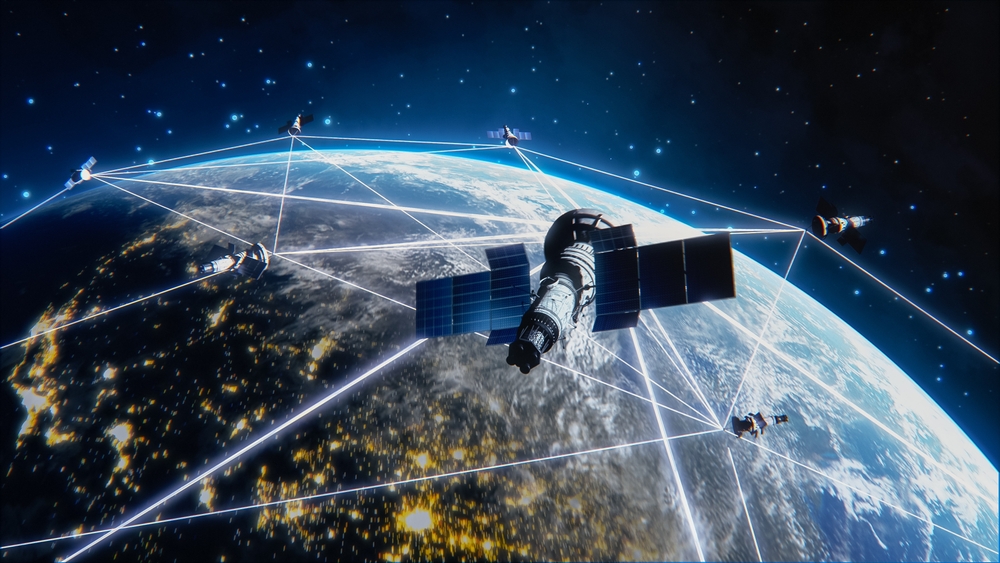
The deployment of satellite technology transforms a remote site into a digitally integrated hub. By utilizing orbiting constellations, companies can bypass the limitations of ground-based towers entirely. This section explores the primary ways these networks facilitate seamless operations.
- Communication improvements: Satellite systems provide consistent voice and data links regardless of the site’s proximity to urban centers.
- Monitoring: Remote sensors can relay equipment health and site conditions to central command centers in real-time.
- Emergency response: Dedicated satellite channels ensure that distress signals are transmitted instantly, even during total terrestrial outages.
- Global reach: Coverage extends across oceans and deserts, allowing for standardized communication protocols across international fleets.
Safety-Critical Scenarios Where Satellite Networks Are Used
In the mining and oil sectors, certain situations demand instantaneous and fail-safe connectivity to prevent loss of life. These scenarios often occur in “blackout” zones where traditional radio signals cannot penetrate deep tunnels or reach distant offshore vessels. The integration of satellite networks in mining and oil safety is most visible during these high-pressure moments.
- Lone worker protection: Individuals operating in isolated sections of a mine can be tracked and alerted via satellite-enabled wearable devices.
- Pipeline leak detection: Satellite-linked sensors detect pressure drops in remote pipelines and trigger automatic shut-off valves to prevent environmental disasters.
- Evacuation coordination: During severe weather events, satellite hardware allows managers to coordinate the safe removal of hundreds of personnel from offshore rigs.
- Medical teleconsultation: On-site medics can stream high-definition video to surgeons in distant cities to receive guidance during life-saving procedures.
Related Benefits of Satellite Networks
While safety is the primary driver, the secondary benefits of satellite connectivity significantly enhance the bottom line and corporate responsibility. These advantages allow companies to operate more efficiently while minimizing their physical footprint on the earth. Leveraging satellite networks in mining and oil safety also provides a wealth of data that can be used for long-term planning.
- Real-time data: Continuous streams of operational information allow for predictive maintenance and reduced downtime for expensive machinery.
- Tracking: Fleet management systems use satellite telemetry to monitor the location and fuel consumption of transport vehicles across vast distances.
- Environmental monitoring: High-resolution imagery and sensor data help companies track their impact on local ecosystems and ensure regulatory compliance.
- Disaster management: In the aftermath of an incident, satellite links provide the only reliable way to coordinate with government agencies and clean-up crews.
Maintaining a competitive edge in the modern extraction industry requires a commitment to both innovation and security. International Satellite Services provides the robust infrastructure needed to protect your assets and your people in the world’s most challenging environments. By prioritizing satellite networks in mining and oil safety, your organization can operate with the confidence that help is always just a signal away.
Contact International Satellite Services today to discuss a custom connectivity plan tailored to your specific remote operational needs. Our team is standing by to assist you with all your networking needs, no matter how remote.